

Introduction
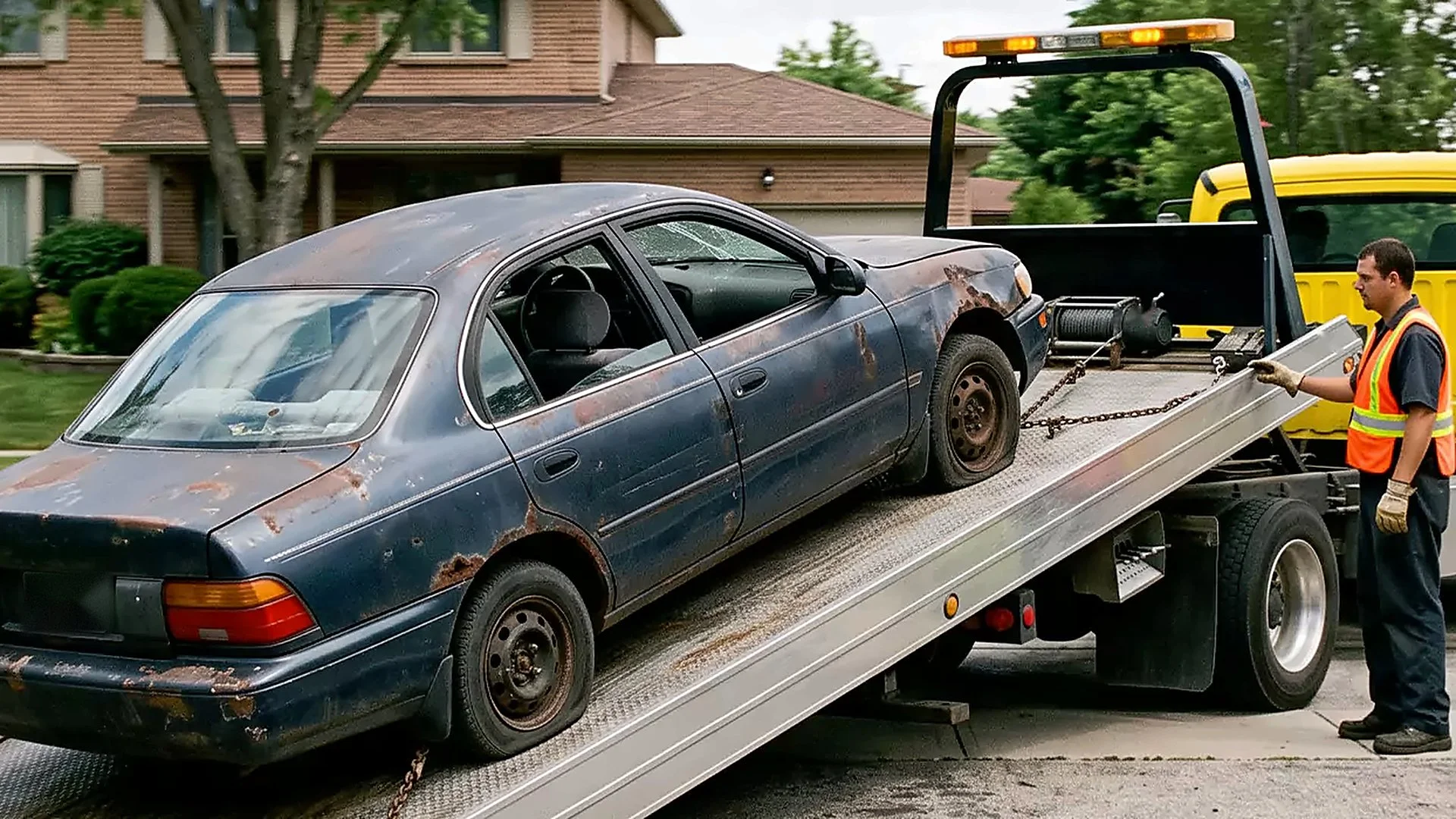
Getting rid of an unwanted vehicle can seem like a bigger job than it should be. An old car may be taking up space in the driveway, a damaged vehicle may have been sitting since an accident, or a car that no longer starts may be too expensive to repair. Even after deciding to sell it, there is still one practical problem: how do you get the vehicle to the buyer? For many Milwaukee vehicle owners, arranging transportation is the most inconvenient part of selling a junk car. A non-running vehicle cannot simply be driven to a buyer, and hiring a separate towing company can add time, coordination, and expense to the process. A straightforward vehicle pickup service removes much of that work. Instead of arranging transportation yourself, you provide the vehicle details, review a cash offer, schedule collection, and prepare the car for handover. A1 Junk Cars is a local junk car buying and vehicle removal service based in Milwaukee, Wisconsin. The company purchases unwanted, old, damaged, wrecked, and non-running vehicles, offers free towing, and pays customers when their vehicles are picked up. Understanding what makes the pickup process simple can help you know what information to provide, how to prepare your vehicle, and which details to confirm before collection.
Why Is a Simple Junk Car Pickup Process Important?
Selling a vehicle involves more than agreeing on a price. The vehicle still needs to be accessed, loaded, transported, and legally transferred to the buyer. These steps can become complicated when the car is no longer operational or has been sitting in the same location for months. A simple pickup arrangement reduces the amount of transportation planning the owner has to handle.
It Removes the Need to Drive the Vehicle
A junk car does not have to be roadworthy for its owner to explore selling it. Vehicles with engine trouble, transmission failure, accident damage, or electrical problems may still have value. If the buyer offers towing, the owner does not need to repair the car simply to deliver it. This can be particularly helpful when the estimated repair cost is higher than the vehicle's likely value. For example, a Milwaukee resident may have an older sedan with a failed transmission. Rather than paying for repairs and then arranging transportation to a buyer, the owner can ask about selling a vehicle that is no longer drivable in its current condition and scheduling pickup.
It Reduces Transportation Coordination
Without a pickup service, a seller may need to find a tow truck, compare towing charges, coordinate a delivery time, and make sure the buyer can receive the vehicle. When towing is included in the purchase arrangement, those steps can be coordinated through the buyer instead. The seller should still confirm the pickup location, access requirements, appointment window, and any conditions attached to the towing service. Learn more about how free towing works when selling a car to A1 Junk Cars.
It Helps Owners Clear Unwanted Vehicles From Their Property
An unused vehicle can occupy valuable space in a driveway, garage, or parking area. It may also become harder to maintain if it remains exposed to rain, snow, road salt, and changing temperatures. Arranging removal gives the owner a practical way to reclaim that space without having to make the vehicle operational first. For more information, see how junk car removal helps free up valuable property space.
How Does the Vehicle Pickup Process Work?
A simple junk car pickup process generally follows a few clear stages. Each stage helps the buyer understand the vehicle and helps the owner prepare for collection.
Step 1: Contact the Buyer and Describe the Vehicle
The first step is to provide basic information about the vehicle you want to sell.
Useful details include:
Year, make, and model
Approximate mileage, if known
Whether the vehicle starts and runs
Whether it can move under its own power
Engine, transmission, or other mechanical problems
Accident damage or visible body damage
Missing parts or major modifications
Whether you have the title and keys
Your vehicle's current location
You do not need to be a mechanic to explain your vehicle's condition. Describe what you know in everyday language. For instance, saying that the car starts but shuts off after a few minutes is more useful than simply calling it damaged. Mentioning that the front passenger-side wheel is missing also helps the buyer understand what may be required for loading. Accurate information at this stage makes it easier to discuss an appropriate offer and pickup arrangement. You can review what information to provide when requesting a cash offer for your car.
Step 2: Review the Cash Offer
After receiving the vehicle details, the buyer can assess whether it is interested and provide a cash offer. A junk car's value is not determined by its age alone. Several factors may influence the amount, including:
Vehicle make, model, and year
Overall condition
Weight and recyclable metal content
Demand for reusable components
Engine and transmission condition
Accident damage and rust
Missing parts
Current market conditions
A vehicle with a damaged engine may still have usable doors, wheels, electronic components, or other parts. Another car of the same model may have fewer reusable components because of extensive damage or missing equipment. Before accepting an offer, ask whether it is based on the condition you described and whether any circumstances could change the amount at pickup. Understanding how junk car buyers determine your car's value can help you evaluate the offer.
Step 3: Arrange a Pickup Appointment
Once you are comfortable with the offer, the next step is to discuss collection. A1 Junk Cars offers free towing and pays customers when their vehicles are picked up. Confirm the pickup date, expected time window, and any specific requirements before finalizing the appointment. Give the buyer the correct address and explain where the vehicle is parked. If it is inside a garage, behind another car, or in a shared parking lot, mention that before the driver arrives.
Step 4: Prepare the Vehicle
Before pickup, remove personal belongings and gather the documents needed for the sale. Check the glove compartment, center console, trunk, door pockets, under the seats, and any storage compartments. Remove personal items, toll tags, parking permits, and other accessories that you intend to keep. If you have the vehicle title and keys, keep them ready. If either is missing, tell the buyer in advance so you can confirm what documentation or arrangements may be required. You can also review what documents are needed to sell a junk car.
Step 5: Complete the Handover and Receive Payment
When the towing driver arrives, the vehicle and pickup details may be checked before loading. Review the agreed amount and payment method before handing over the vehicle. Make sure the transaction paperwork is completed properly and keep any receipt or written confirmation provided. A1 Junk Cars states that customers are paid when the vehicle is picked up. Confirm the payment details before the appointment so there is no confusion during handover. For additional details, see what happens when A1 Junk Cars picks up your vehicle.
What Makes the Pickup Process Convenient for Different Vehicle Conditions?
One of the practical advantages of a junk car buying service is that a vehicle does not necessarily need to be in working condition to be considered. Different problems can affect how a vehicle is collected, so describing its condition accurately is important.
Non-Running Cars
A car may stop running because of engine failure, a dead battery, a faulty starter, transmission trouble, or fuel system problems. The owner may not know the exact cause. That is fine. Explain what happens when you try to start the vehicle and whether it can roll or steer. A non-running car that rolls freely may be easier to load than one with locked wheels or a damaged suspension system. Read more about selling non-running cars for cash.
Wrecked and Accident-Damaged Vehicles
Collision damage can affect more than a vehicle's appearance. A damaged wheel, bent suspension component, or steering problem may prevent the car from moving safely. If the vehicle has been involved in an accident, explain the location and severity of the visible damage. Mention deployed airbags, missing wheels, broken glass, or leaking fluids if you know about them. This information helps the buyer determine whether standard towing equipment is suitable. You can learn more about junk car removal for damaged and wrecked vehicles.
Old Cars That Have Been Sitting Unused
A vehicle that has not been driven for months or years may have several issues at once. Tires may be flat, the battery may be discharged, and rust or corrosion may have developed. Before scheduling pickup, explain how long the car has been sitting and whether it can still move. You should not attempt to start a vehicle that may be unsafe because of leaks, damaged wiring, or other serious problems simply to make the pickup easier. If your vehicle has been unused for an extended period, see can you sell a car that has been sitting for years.
Vehicles With Missing Parts
Some owners remove batteries, wheels, catalytic converters, radios, or other components before selling a vehicle. Missing parts can affect the vehicle's value and how it must be loaded. Make a list of major components that are no longer present rather than waiting until pickup to mention them. The buyer can then assess the vehicle using a more accurate description.
Why Does Free Towing Make Junk Car Pickup Easier?
Free towing is one of the most useful parts of a vehicle removal arrangement, especially for owners whose cars cannot be driven. If a seller has to arrange transportation independently, the process may involve finding a towing provider, obtaining a price, coordinating two appointments, and making sure the vehicle reaches the correct location. When the buyer includes towing in the purchase arrangement, the transportation step can be coordinated as part of the sale.
What Should You Confirm About Free Towing?
Before scheduling, ask:
Is towing included in the agreed cash offer?
Does the service cover my exact pickup location?
Are there additional requirements for a non-running vehicle?
Can the towing equipment access my driveway or parking area?
Could difficult loading conditions affect the arrangement?
Getting clear answers helps prevent unexpected issues on collection day.
How Can You Prepare Your Property for Vehicle Pickup?
The condition of the vehicle matters, but the surrounding area can affect the removal process too. A towing vehicle needs enough room to approach, position its equipment, and load the car safely. A few small preparations can make the appointment easier.
Clear the Driveway or Parking Area
Move other vehicles if possible and remove obstacles such as bins, garden equipment, bicycles, and loose materials. If the junk car is parked behind another vehicle, arrange access before the appointment. Avoid moving a damaged or unsafe car yourself.
Explain Restricted Access
Some residential locations require additional planning.
Tell the buyer if the vehicle is parked:
Inside a garage with low clearance
Behind a locked gate
In an apartment complex
In an underground parking structure
In a narrow alley
On a steep driveway
In a shared or restricted parking space
If you live in an apartment or condominium, check whether property management approval is required for a tow truck to enter.
Keep the Pickup Area Safe
Keep children and pets away from the loading area. Do not stand close to the towing equipment or attempt to guide the vehicle while it is being loaded. If the vehicle has leaking fluids, broken glass, or unstable body panels, tell the driver before loading begins.
What Documents Should You Prepare Before Selling a Junk Car in Wisconsin?
Vehicle paperwork is an important part of completing a sale. Having the correct documents ready helps establish ownership and makes the handover clearer.
Vehicle Title
The vehicle title generally serves as proof of ownership and is a key document in a private vehicle sale. Check that the information on the title is accurate. Follow the applicable Wisconsin transfer instructions and complete the required seller information. Avoid signing a blank title or handing over documents without understanding what the transaction requires.
What If You Have Lost the Title?
A missing title can complicate the sale, but it does not mean you should assume the vehicle can never be sold. Wisconsin has procedures for obtaining replacement titles and handling certain ownership situations. Check with the Wisconsin Department of Transportation (WisDOT) Division of Motor Vehicles to determine the correct process. If your title is missing, tell the buyer before arranging pickup. Ask what documents may be acceptable and whether you need to obtain a replacement title first.
License Plates and Notice of Sale
Wisconsin has specific rules concerning license plates and vehicle transfers. In many private vehicle sales, the seller removes the plates rather than leaving them with the buyer. Check current WisDOT guidance for the requirements that apply to your transaction. Keep a record of the sale and complete any required notice or transfer steps. Do not assume that the vehicle's physical removal automatically completes your responsibilities as the seller.
What Can Delay a Junk Car Pickup?
Even a straightforward pickup can encounter problems if important information is missing or the vehicle is difficult to access. Understanding common delays can help you prevent them.
Inaccurate Vehicle Information
If the buyer expects a complete car but arrives to find that the engine, wheels, or other major components are missing, the original assessment may need to be reviewed. Describe the vehicle honestly, including damage that may not be visible in photographs.
Inaccessible Parking Locations
A vehicle trapped behind another car, parked in a restricted garage, or surrounded by obstacles may be difficult to load. Explain the access conditions when scheduling rather than waiting until the appointment.
Missing Ownership Documents
If the required paperwork is unavailable, the sale may need to be postponed until ownership can be verified. Ask about documentation early, especially if the title has been lost or the vehicle is registered under someone else's name.
Unconfirmed Appointment Details
A request for an offer is not the same as a confirmed pickup appointment. Before the scheduled date, make sure you have agreed on the location, timing, payment arrangement, and any preparation requirements. For more guidance, see how to schedule a junk car pickup in Milwaukee.
Common Misconceptions About Junk Car Pickup
Some assumptions can make owners unnecessarily hesitant about selling an unwanted vehicle.
"My Car Must Be Running to Qualify"
Not necessarily. Junk car buyers may purchase vehicles with engine trouble, transmission failure, accident damage, or other serious problems. The buyer needs an accurate description to determine whether it can accept the vehicle and how it should be collected.
"I Have to Arrange My Own Tow Truck"
Not always. Some junk car buyers include towing as part of their vehicle removal service. A1 Junk Cars offers free towing, so sellers can discuss collection directly as part of the purchase arrangement.
"A Car With Missing Parts Is Automatically Worthless"
Missing components can affect a vehicle's value, but they do not automatically make it worthless. The remaining parts, materials, vehicle type, and market demand may still give it value. Disclose missing components when requesting an offer.
"The Vehicle Can Be Picked Up Without Any Paperwork"
Vehicle removal and legal ownership transfer are separate matters. The seller should understand the documentation required under Wisconsin rules and keep a record of the transaction.
"Free Towing Means Every Pickup Is Identical"
Pickup conditions vary. A complete car in an open driveway is different from a wrecked vehicle with locked wheels inside a narrow garage. Explain the situation and confirm the arrangements before scheduling.
A Practical Checklist for a Simple Vehicle Pickup
Use this checklist before arranging junk car removal in Milwaukee:
Write down the vehicle's year, make, and model.
Describe whether it starts, runs, rolls, and steers.
Mention accident damage, rust, or mechanical problems.
Identify missing parts or unavailable keys.
Confirm the exact pickup address.
Explain driveway, garage, or parking restrictions.
Ask whether free towing covers your situation.
Review the cash offer and payment method.
Gather the title and other required ownership documents.
Remove personal belongings and accessories.
Check Wisconsin title transfer and license plate requirements.
Confirm the pickup date and expected arrival window.
Preparing these details in advance makes it easier for the buyer to assess the vehicle and coordinate collection.
Conclusion
A simple junk car pickup process depends on clear communication, convenient transportation arrangements, accurate vehicle information, and a properly prepared handover. A1 Junk Cars makes vehicle removal more convenient for Milwaukee-area owners by purchasing unwanted, old, damaged, wrecked, and non-running vehicles, offering free towing, and paying customers when the vehicle is picked up. The process starts with describing the vehicle and reviewing a cash offer. After agreeing on the terms, the seller confirms the pickup location, prepares the property, gathers the required documents, and completes the handover. The vehicle does not necessarily need to run, but its condition and accessibility should be explained in advance. Confirming towing terms, payment details, and Wisconsin paperwork requirements also helps prevent last-minute confusion. If an unwanted vehicle is taking up space on your property, a little preparation can make removal much easier. Knowing what information to provide and what questions to ask puts you in a better position to complete the sale with confidence.
Frequently Asked Questions
1. How does junk car pickup work?
The typical process involves providing the vehicle's details, receiving and reviewing a cash offer, scheduling collection, preparing the vehicle and paperwork, and completing the handover when the tow truck arrives.
2. Can a junk car be picked up if it does not start?
Yes, many junk car buyers accept non-running vehicles. Tell the buyer whether the car rolls, steers, has working wheels, or has mechanical problems that could affect loading.
3. Is junk car towing really free?
Some junk car buyers include towing at no additional cost for qualifying vehicle pickups. Confirm that towing is included in the agreed arrangement and ask about special equipment or difficult access conditions.
4. What information do I need to sell my junk car?
You should provide the vehicle's year, make, model, mileage if known, general condition, major damage, missing parts, key availability, title status, and pickup location.
5. Do I need a title to sell a junk car in Wisconsin?
A vehicle title is generally an important ownership document. If yours is missing, check Wisconsin DMV requirements for a replacement title or applicable alternative documentation before arranging the sale.
6. Can a junk car be picked up from an apartment parking lot?
It may be possible, provided the towing provider has permission and sufficient access. Check parking restrictions, gate access, property management rules, and any requirements for commercial vehicles.
7. How should I prepare my car before it is picked up?
Remove personal belongings, gather the necessary ownership documents, clear access around the vehicle, and tell the buyer about mechanical problems or missing parts. Confirm the appointment and payment details beforehand.
8. Does a damaged or wrecked car have to be moved before pickup?
Not necessarily. A vehicle removal service may be able to collect a damaged or wrecked car from its current location. However, severe damage, locked wheels, or restricted access may require special towing equipment.
9. When do I receive payment for a junk car?
Payment arrangements depend on the buyer. Confirm the amount and payment method before collection. A1 Junk Cars states that it pays customers when their vehicles are picked up.
10. What happens to a junk car after it is collected?
Depending on its condition, a vehicle may be evaluated for reusable parts, resale, or recycling. Usable components may be recovered, while suitable remaining materials can enter appropriate recycling processes. Learn more about what happens to your car after it's sold for junk.
